Nowadays, being in the cloud is kind of the norm. We do our thing, like take millions of photos, the storage capacity of all our devices is about to explode, so we store everything in the cloud. But where is the cloud? Like most things that seem to exist in an ethereal space, there’s a bit more going on behind the scenes than we realise. For example, have you ever thought about the environmental impact of cloud storage and the data centres that make it all possible?
I know I have. So, I thought why not ponder of it, while writing and sharing some info and insights about how cloud storage and data centres contribute to the environmental challenges we face. Is your footprint smaller if we store our files in the cloud, compared to traditional hardware storage solutions? How is the industry working toward a greener future?
Let’s explore together…
How does cloud storage work?
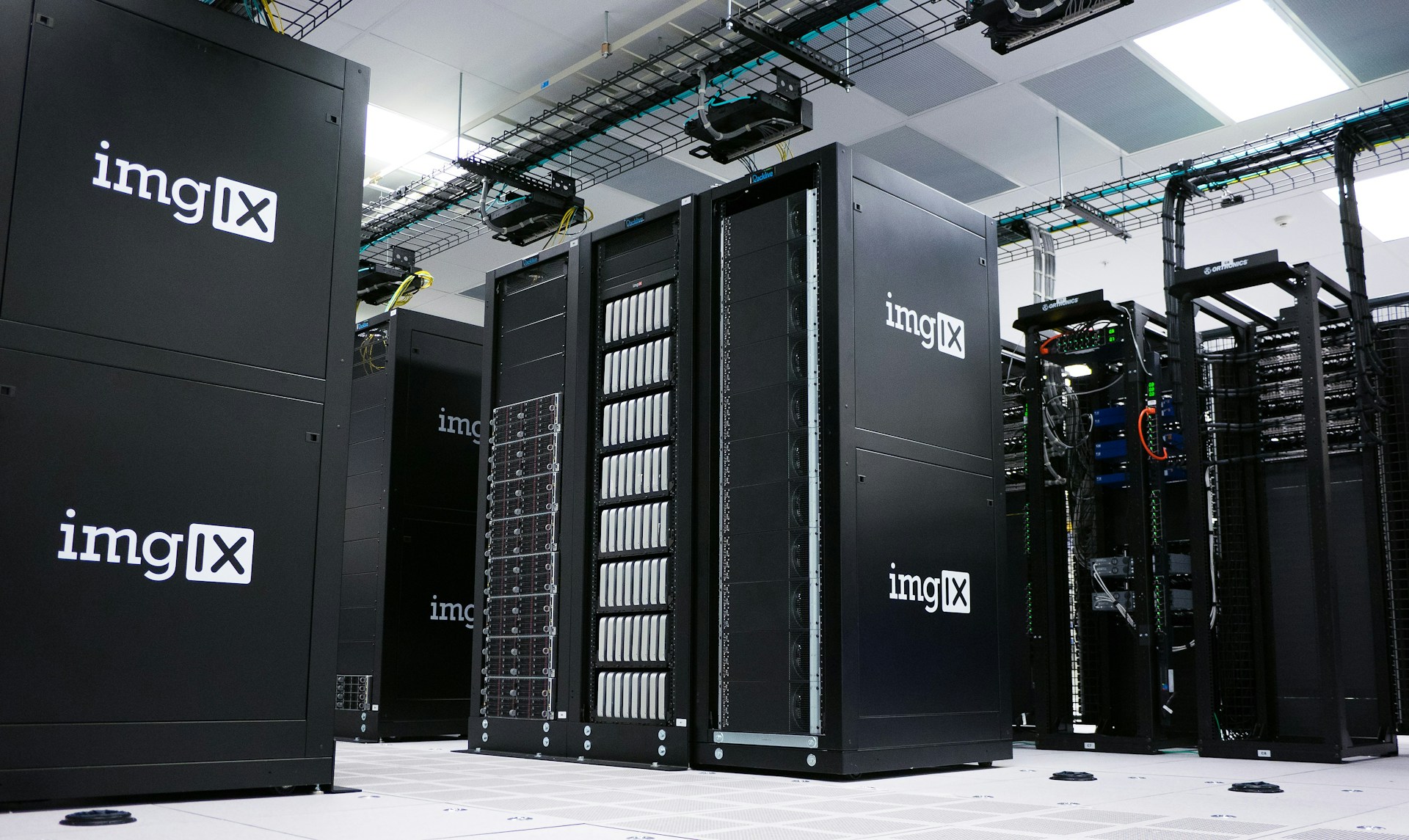
Simply put, cloud storage is the practice of storing your data on remote servers that can be accessed over the internet, rather than on local servers or physical hard drives. Even though the word cloud sounds a bit like data “floating” around invisibly in the air, in reality, it involves a huge network of physical data centres. These facilities are home to thousands of servers, all working together to store and manage your data. These centres don’t run on thin air. They consume significant amounts of energy, contribute to carbon emissions, and have a seizable water footprint.
So, if you think that you’re uploading your files into a fluffy cloud without an environmental impact, think twice!
The Environmental Impact
Let’s break down the ways cloud storage impact our environment!
Energy Consumption
Running data centres requires a lot of energy. And I really mean A LOT! It’s hardly any news that this energy consumption is the largest environmental concern in the cloud storage industry. Just think about it, an almost unimaginable amount of servers, running 24/7 so they can store, process, and retrieve data.
But that’s not all. There are cooling systems, so that those non-stop working servers, which generate an enormous amount of heat, don’t explode. You need energy for the cooling systems, as well. To put this in perspective, a single data centre can use as much electricity as a small town. According to a research done by McKinsey & Company, the energy consumption of European data centres is about to triple by 2030.
Carbon Emissions
Obviously, energy can be derived from different sources. While some data centres operate on renewable energy, still too many rely on fossil fuels. Often, the reason for that is not lack of desire to turn to renewable energy but the location. There are certain regions where renewable options are less accessible or cost-effective. Unfortunately, relying on fossil fuels results in carbon emissions which contribute to climate change.
According to a Morgan Stanley research, by 2030, data centres are expected to produce 2.5 billion metric tons of carbon dioxide. That’s way too much. For reference, the average person emits 4,68 metric tons per year. Mind the zero behind the billion, please!
Water Use
Ok, so we mentioned the fact that servers run hot. Like super spicy hot! To keep them cool, data centres use water-based cooling systems. And those, other than energy, obviously require water, as well. It’s often taken from local sources like rivers and lakes. Occasionally, it might be sourced from municipal water supplies, which could place strain on local resources. In the worst -case scenario, data centres may even release heated water back into the environment. This raises local temperatures and, in some regions, disrupts the aquatic ecosystem.
Cloud Storage vs. Traditional Storage
Considering all of the above, one might already be thinking about alternatives to cloud storage. What’s the first thing that pops in your mind? Perhaps, hard drives, USB sticks, or even private servers. Fair. But let’s take a moment to consider whether those are any better from an environmental perspective.
Energy Efficiency
A physical hard drive or USB stick means you’re not directly consuming energy from a data centre, but there’s still energy involved in the production, shipment and usage of those devices. We should also consider their limited lifespan and the energy consumed by your personal computer, or server. Things add up, especially if you are running a high-powered system for data storage or back up.
Alternatively, cloud storage benefits from economies of scale. Large data centres may consume a lot of energy, but they do have better efficiency per unit of data stored. Additionally, the ability to consolidate resources in a data centre allows for higher utilisation rates, meaning less wasted energy overall.
Life Cycle
One area where local storage surely falls short is the issue of device obsolescence. The market is constantly developing. New devices are advertised to us and we keep upgrading our gadgets. In 2022, we’ve generated 62 million tons of waste that comes from discarded tech products.
Cloud storage, however, are incentivised to make their infrastructures last longer. Because their data storage is a centralised system, they are financially motivated to maintain and upgrade their servers carefully. All this results in longer product lifecycles and fewer e-waste.
The Future
There may be challenges on the way, but the cloud industry is not sitting with their hands crossed. Instead, they are taking steps to reduce their environmental impact.
Other than the obvious renewable energy, managers can implement strategies like switching to ECO mode for UPS systems, which reduces wasted energy by up to 3%. They can also employ server virtualisation to consolidate computing resources, thereby improving hardware utilisation and cutting down on power-intensive servers and storage systems.
Another way for data centres to reduce their environmental impact is to adopt innovative cooling methods like liquid cooling and hot/cold aisle containment. Managers should also focus on eliminating waste by considering circular economy model. They could consider exploring the potential of repurposing or recycling equipment.
In other words, things are not so grim. In fact, there’s potentiality for cloud storage providers to put their creative hats and become more innovative. As to us – the users, we can do our part by being mindful of how much data we store and by supporting companies that prioritise sustainability in their operations.